Fluconazole: Uses, Dosage, Safety, and Effectiveness

For informational purposes only — not medical advice.

Buy Fluconazole

Purchase or compare prices from trusted pharmacies.

Fluconazole is one of the most widely used antifungal medications in the world. Its broad spectrum of activity, convenient dosing schedule, and proven clinical record have made it a central therapy for both common and chronic fungal infections. Whether used for uncomplicated cases of vaginal yeast infections or more serious systemic fungal illnesses, fluconazole has become a trusted and predictable option. Patients and readers often seek approachable, detailed information on how it works, how long it takes to show results, and what precautions are important during treatment. This guide provides an in-depth overview for educational purposes, without replacing medical advice.

What Fluconazole Is and How It Works

Fluconazole is an antifungal medication from the triazole class. Its primary mechanism of action involves blocking the synthesis of ergosterol, a key component of fungal cell membranes. Without sufficient ergosterol, the fungal cell becomes unstable, its membrane becomes leaky, and it can no longer grow or replicate. The medication selectively targets fungal enzymes, which is why it does not affect human cells in the same way. Unlike topical antifungal treatments that act only on the surface, fluconazole works systemically and distributes throughout the bloodstream and tissues, offering deeper and longer-lasting coverage.

Conditions Commonly Treated With Fluconazole

Fluconazole is best known for treating vaginal candidiasis, but its uses extend far beyond that. It is widely prescribed for oral and throat thrush, esophageal candidiasis, fungal infections of the skin, and more persistent or systemic infections caused by Candida species. In immunocompromised individuals, such as those undergoing chemotherapy or living with HIV, fluconazole can be used preventively to reduce the risk of recurrent yeast infections. Its reliable absorption and long half-life make it useful for once-daily or even single-dose therapy depending on the condition.

Pharmacokinetics and Absorption

Fluconazole is absorbed efficiently after oral administration, usually reaching peak concentration within one to two hours. Food does not significantly delay or reduce its absorption, which allows for flexible dosing regardless of meals. The drug distributes well into body fluids and tissues, including saliva, vaginal secretions, and skin layers, making it effective against fungal infections in multiple body sites. It is eliminated through the kidneys, so people with reduced kidney function may require dosage adjustments. Its long elimination half-life allows once-daily dosing and enables the popular “single-dose” approach for uncomplicated infections.

Dosage Guidelines and Treatment Duration

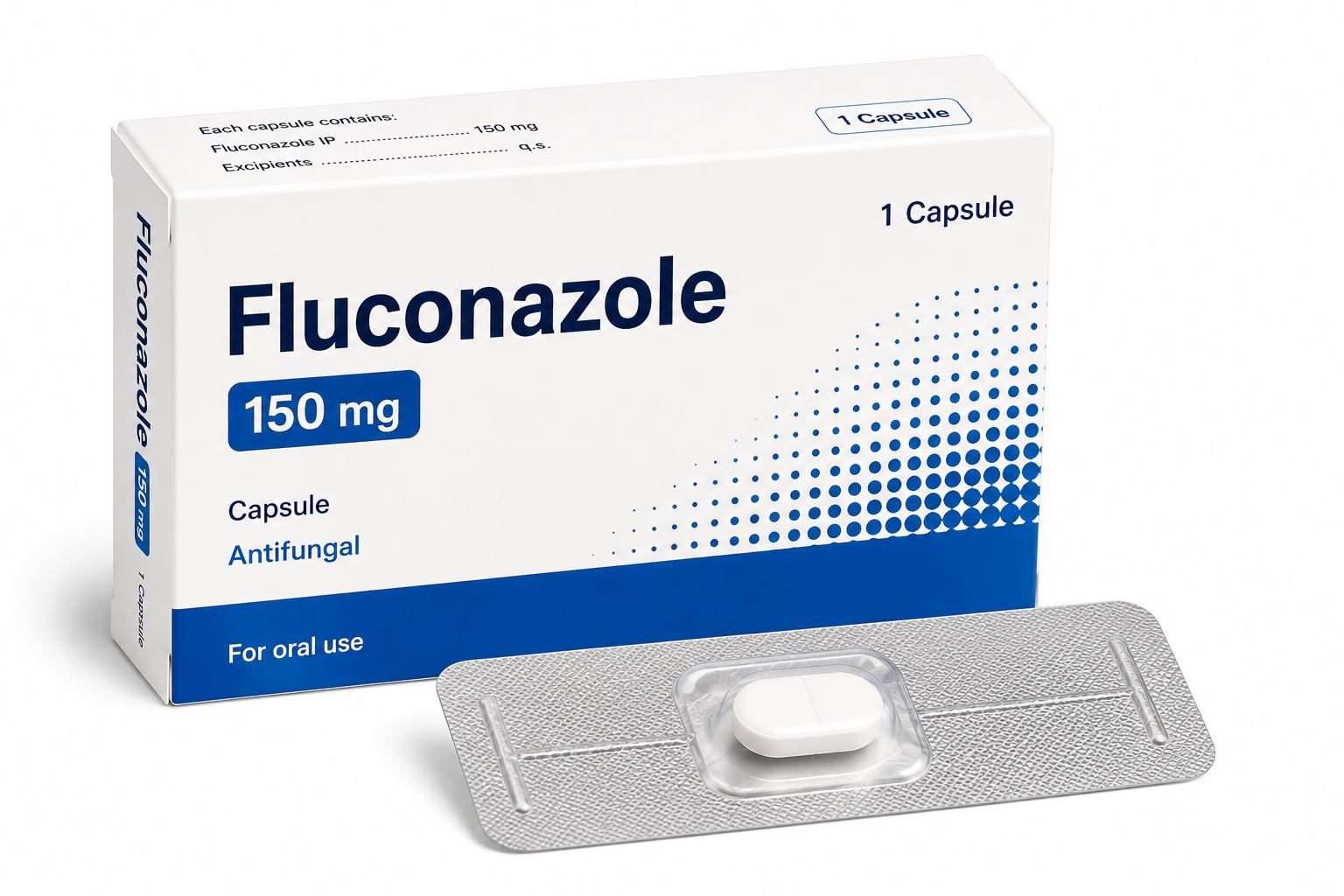
The dosage of fluconazole varies significantly depending on the type and severity of the fungal infection. For uncomplicated vaginal candidiasis, treatment often includes a fluconazole 150 mg tablet taken as a single dose, while more persistent or systemic infections may require daily therapy ranging from 100 mg to 400 mg or higher. In cases of oral thrush, shorter treatment courses are generally sufficient, but chronic or deep-seated fungal conditions may need several weeks of continuous therapy. When selecting the correct regimen, physicians consider patient weight, kidney function, immune status, and clinical response. Completing the full prescribed duration is essential, as stopping treatment prematurely—even when symptoms improve—can increase the risk of recurrence.

Onset of Action and What Patients Typically Experience

Many patients feel relief within the first 24 hours of taking fluconazole, especially when treating vaginal or oral yeast infections. However, the medication continues working over several days. In more severe infections, particularly those involving the esophagus or bloodstream, symptom improvement may take longer. Because fluconazole works systemically, inflammation and irritation caused by the infection may persist briefly even after fungal activity has diminished. Patience is essential, and improvement should be monitored over the entire prescribed course rather than only the first few doses.

Side Effects and Tolerability Profile

Fluconazole is generally well tolerated, with most side effects being mild. The most frequently reported symptoms include headache, mild gastrointestinal discomfort, nausea, or changes in taste perception. Some individuals may experience skin flushing or a temporary feeling of fatigue. More serious reactions, such as severe skin rashes, liver enzyme elevations, or allergic responses, are rare but documented. Because the liver metabolizes the drug, those with known liver disease should be monitored. Despite these potential issues, the medication maintains a strong safety profile, especially in short-course treatments.

Contraindications and Safety Considerations

Fluconazole should be used with caution in individuals with known liver disorders, certain heart rhythm conditions, or histories of allergic reactions to azole antifungals. Pregnant individuals, particularly in early pregnancy, must avoid high-dose or long-term use unless medically necessary, as some studies have linked prolonged exposure to risks. While short, single-dose therapy is considered relatively safer, it should still be discussed with a healthcare provider. Kidney impairment may require adjustments, and patients with chronic illnesses should inform their healthcare professional before starting therapy.

Drug Interactions and Substances to Avoid

Fluconazole interacts with several medications because it affects liver enzymes that process drugs. Blood thinners, some antidiabetic medications, seizure medicines, and certain psychiatric drugs may require dosing changes or additional monitoring. Alcohol does not directly interfere with fluconazole, but because both are processed through the liver, it is generally advisable to limit alcohol intake to reduce strain on the organ. Mineral supplements or food do not affect absorption, but the presence of other antifungal medications might alter effectiveness or increase side effect risks.

Fluconazole vs. Other Antifungal Medications

Compared to topical antifungals, fluconazole offers the advantage of systemic coverage and convenience. Unlike clotrimazole or nystatin, which require multiple daily applications, fluconazole often requires only a single dose or once-daily therapy. Against other systemic antifungals such as itraconazole or ketoconazole, fluconazole is considered easier to tolerate and less likely to cause severe liver side effects, though each has specific clinical uses. Its predictable absorption, flexible dosing, and strong safety profile contribute to its wide appeal in medical practice.

Practical Tips for Safe, Effective Use

Patients should take fluconazole exactly as prescribed and avoid doubling doses if one is missed. Because the medication continues working overtime, taking more does not accelerate results and may increase the risk of side effects. Staying hydrated, avoiding excessive alcohol, and monitoring for unusual symptoms can support safe use. If symptoms worsen after starting therapy or do not improve within the expected timeframe, medical attention may be required, as resistant strains or non-fungal conditions may be involved.

Frequently Asked Questions

What is Diflucan?
Diflucan is the brand name for fluconazole. Many patients choose diflucan generic versions because they contain the same active ingredient, offer identical therapeutic effects.
How long does fluconazole take to work?
Most people experience improvement within 24–48 hours, though full resolution may take several days.
Can I drink alcohol while taking fluconazole?
While there is no direct interaction, alcohol can stress the liver, so moderation is recommended.
Is one dose of fluconazole enough?
For uncomplicated vaginal candidiasis, a single dose is often sufficient. Other infections require longer treatment.
Can fluconazole be used for oral thrush?
Yes, fluconazole is commonly prescribed for yeast infections in the mouth, and many treatment guidelines support the use of fluconazole for oral thrush in both mild and moderate cases.
Does fluconazole treat bacterial infections?
No, it works only against fungi, not bacteria or viruses.
Can fluconazole cause liver problems?
Serious liver reactions are rare, but individuals with liver disease should be monitored.
Can I take fluconazole during pregnancy?
Single-dose therapy may be considered in some cases, but high-dose or long-term use is not recommended.
What should I do if symptoms don’t improve?
Consult a healthcare provider, as resistant strains or alternative diagnoses may require different treatment.
Can I take fluconazole with probiotics?
Yes, probiotics do not interfere and may help restore natural flora.
Does fluconazole interact with birth control?
It does not reduce hormonal contraceptive effectiveness.
Can fluconazole cure recurrent yeast infections?
It can help manage them, but long-term prevention may require lifestyle changes or tailored medical therapy.

Conclusion: When Fluconazole Is the Right Choice

Fluconazole remains a cornerstone of antifungal therapy due to its strong effectiveness, flexible dosing, and proven track record. Whether used to treat common yeast infections or more serious systemic conditions, it offers dependable results when taken correctly. Understanding how it works, how quickly it acts, and what precautions to follow helps ensure safe and successful outcomes. Like any medication, it should be used responsibly, ideally with guidance from a healthcare professional.